
At Patuxent Architects, thoughtful design is about more than aesthetics — it’s about creating spaces that function efficiently for the people who rely on them every day. That philosophy guided our recent project for Calvert Internal Medicine Group, whose newly designed office recently opened in the Dunkirk Medical Office Building.
The practice began operating in their new space recently, and we stopped by shortly afterward to photograph the finished office and reflect on the transformation.
Designing a Space That Supports Patient Care
Medical offices must carefully balance multiple priorities: efficient workflow for staff, patient comfort, accessibility requirements, and complex building systems. Our goal was to develop a layout that supported the daily operations of the practice while creating a welcoming and organized environment for patients.
The project began with an analysis of the existing office layout. From there, we developed a proposed floor plan that reorganized the space to improve circulation, patient flow, and staff efficiency.
During the early phase of the project, we prepared schematic design drawings, which included:
- Existing and proposed floor plans
- Conceptual 3D images illustrating the proposed spaces
- Layout adjustments designed to improve workflow and functionality
These drawings allowed the client to visualize how the redesigned office would look and function before moving forward with detailed documentation.
From Schematic Design to Construction Documents
Once the client approved the schematic design, the project moved into the construction document phase. While schematic design determines what the transformation will be, construction documents determine how that transformation will be built.
During this phase, we collaborated with the tenant, the building manager, and our mechanical, electrical, and plumbing (MEP) engineering consultants to identify how the building systems would be affected by the new layout and what modifications would be required.
We then prepared a comprehensive set of construction documents used for permitting, bidding, and construction. These included detailed architectural drawings such as floor plans, sections, and construction details that illustrated the design intent and how the new office would be built.
The drawings addressed a wide range of elements, including:
- Wall locations and construction types
- Door and window locations, dimensions, and hardware
- Built-in furniture locations and dimensions
- Accessibility requirements
- Life safety requirements
- Coordination with building systems
At the same time, our engineering consultants designed the required modifications to the building’s HVAC, plumbing, and electrical systems, ensuring they would properly support the proposed office layout.
Permitting Services
Our team also assisted the client through the permitting process, which included preparing and submitting the full permit package.
This work involved:
- Completing the permit application
- Compiling the architectural and engineering documents
- Preparing both digital and printed sets of the permit drawings
- Submitting the permit package electronically and in person
We monitored the progress of the permit review and responded to questions from the Authorities Having Jurisdiction, including Calvert County Department of Inspections & Permits, Calvert County Department of Planning & Zoning, Calvert County Water & Sewer Department, the Maryland Department of Health, and the Maryland Office of the State Fire Marshal.
Bidding Services
To help the client select a contractor, we also provided bidding services, which included:
- Preparing a list of potential bidders
- Issuing bid packages and invitations to contractors
- Conducting a pre-bid meeting on site so bidders could review existing conditions
- Receiving and reviewing bids with the client
- Communicating with bidders to clarify questions or pricing details
- Assisting with contractor selection
- Preparing the contract for construction
Contract Administration During Construction
Once construction began, we continued supporting the project through contract administration services.
Our role included:
- Attending meetings and coordinating communication between the owner and contractor
- Responding to contractor requests for information
- Reviewing submittals for materials, equipment, and products
- Monitoring the progress of the work from start through completion
We also coordinated with the owner, contractor, local agencies, and the Maryland Office of the State Fire Marshal to schedule the required inspections. After the work successfully passed final inspections, the project received its Use and Occupancy Certificate, allowing the practice to begin operating in their new space.
The Finished Space
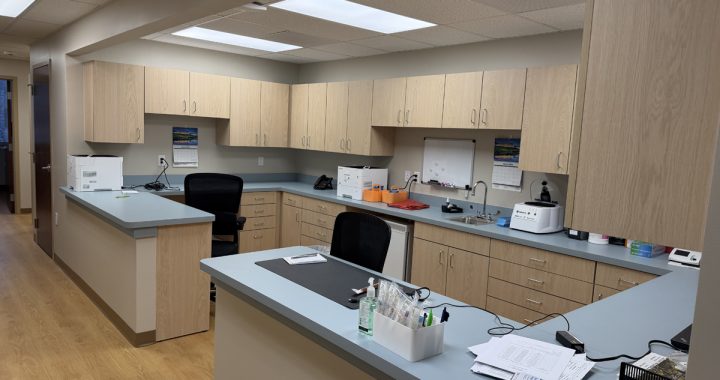
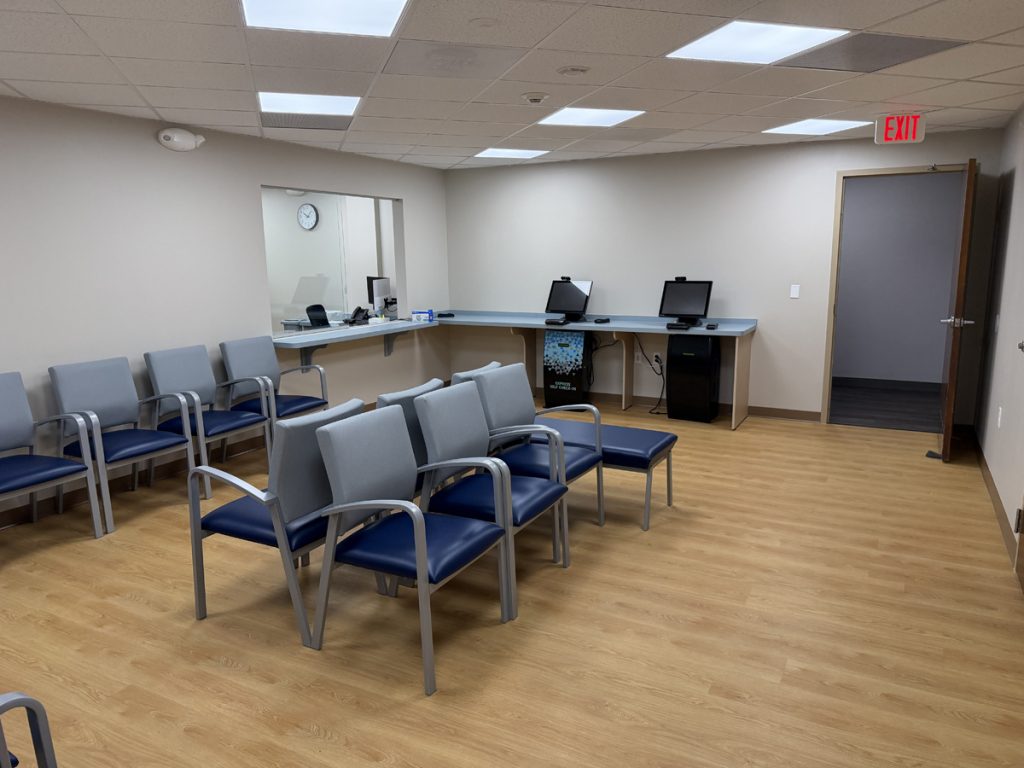
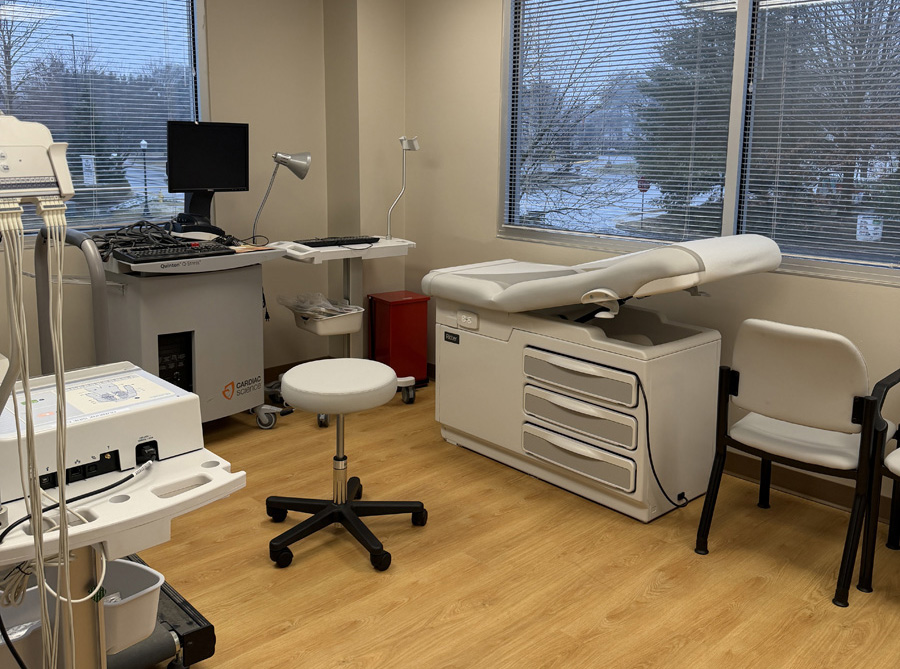
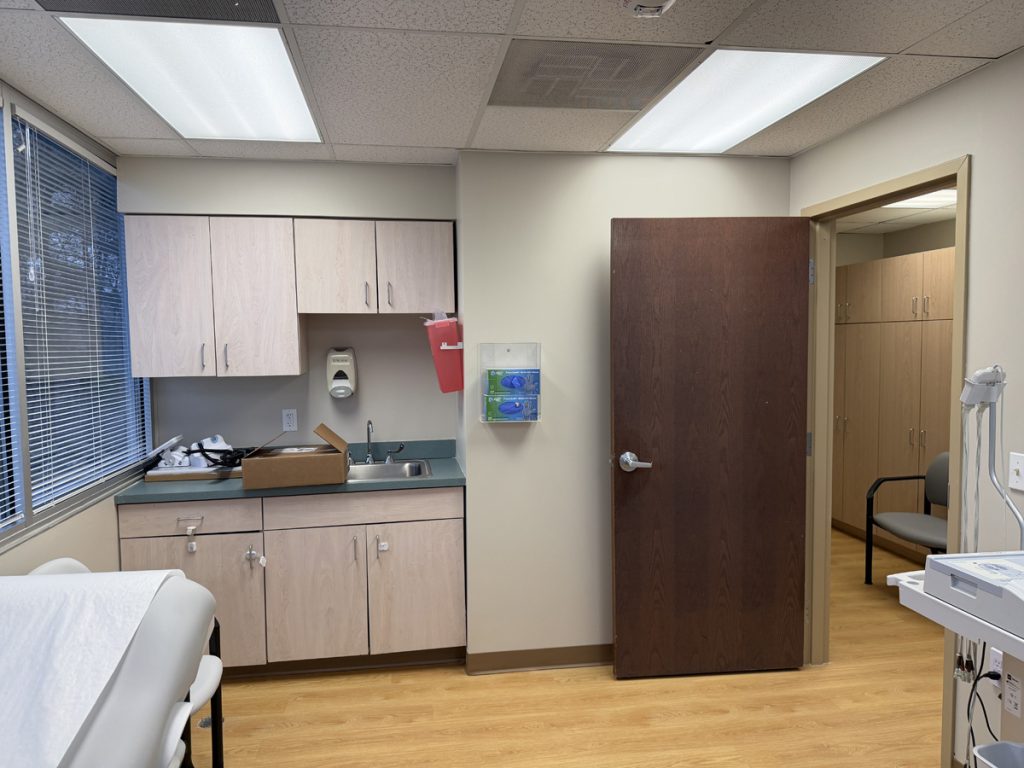
The completed office includes a range of thoughtfully designed spaces that support both staff workflow and patient experience, including:
- Waiting room
- Triage area
- Medical assistant workspace
- Multiple exam rooms
- Provider offices
- A new restroom
- Staff break room
- Reception area
- Efficient circulation corridors
Comparing the before and after images alongside the original design plans clearly shows how the layout was transformed into a modern, functional medical office.
A Space Ready to Serve the Community
Projects like this demonstrate how careful planning, collaboration, and detailed documentation turn a design concept into a functioning healthcare environment.
We’re excited for Calvert Internal Medicine Group as they begin serving patients in their newly designed office.
If you’re planning a medical office renovation or tenant fit-out, the team at Patuxent Architects would be happy to help guide your project from concept through construction.
